Stories
surface here.
The knowledge is already in the room. We build the rooms that let it move — then hand over the craft, so the next one doesn’t need us.
A fuse catches when a story finally finds its room. We’re a community making the rooms ourselves — and the craft to keep lighting them.
We make immersive pieces with our own communities and put them wherever there’s a surface — a phone, a community-center wall, a planetarium ceiling. Held with consent and citation, not extracted. Then we open the craft.
& Civic Media
 From Puebla · community workshop
that talk back.
Culture
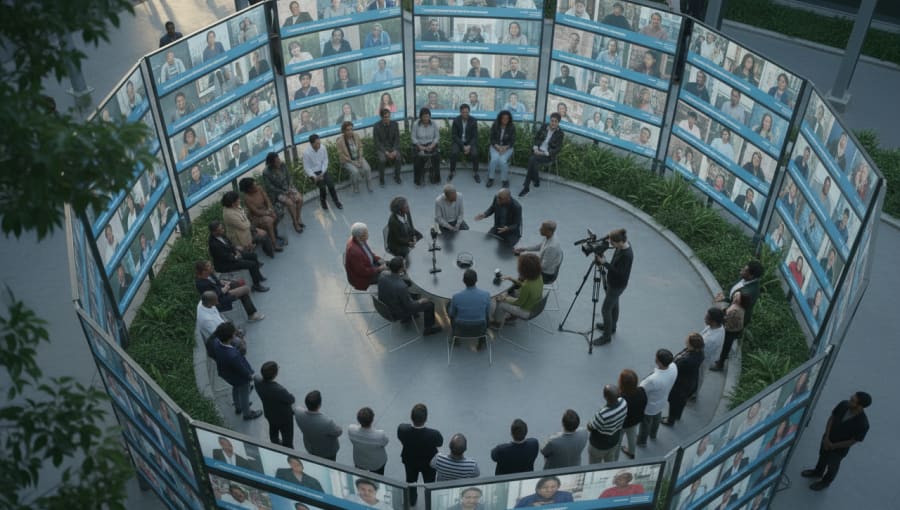 In the room · voices in motion
fill the room.
Craft
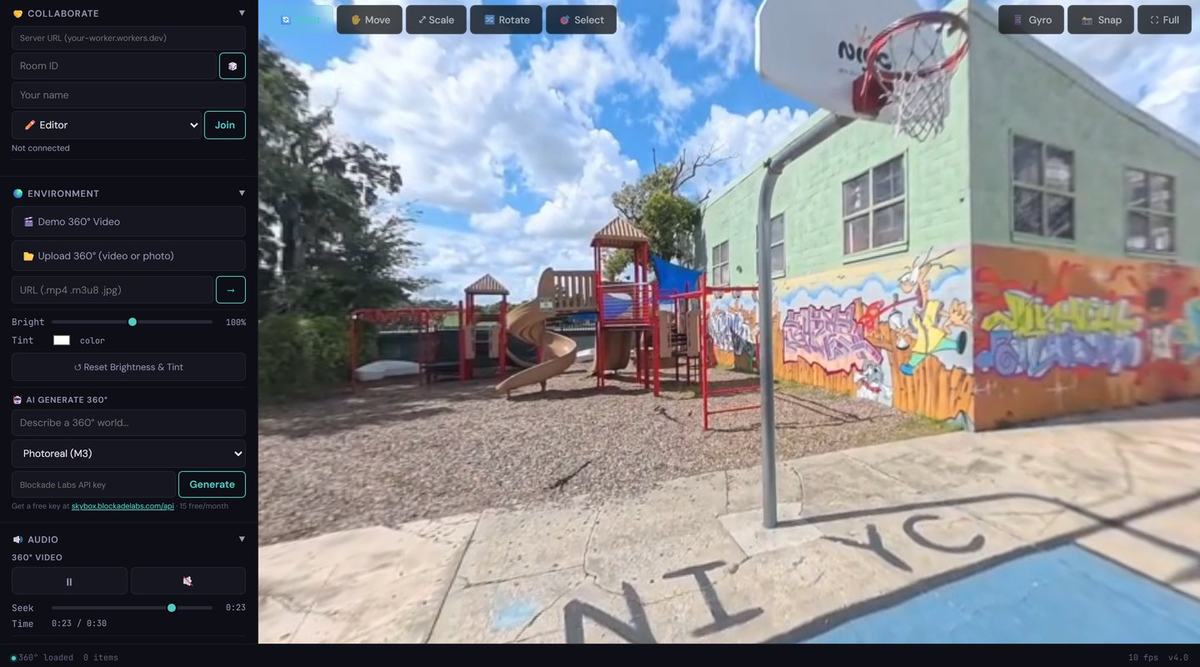 The 360° Builder · open, on a real block
craft.
None of this was ours
to invent.
It was already in the room — on the porch, at the table, down the block. What was missing was a way for it to travel without somebody else owning it on the way out.
See what we built ↗Don’t take
our word for it.
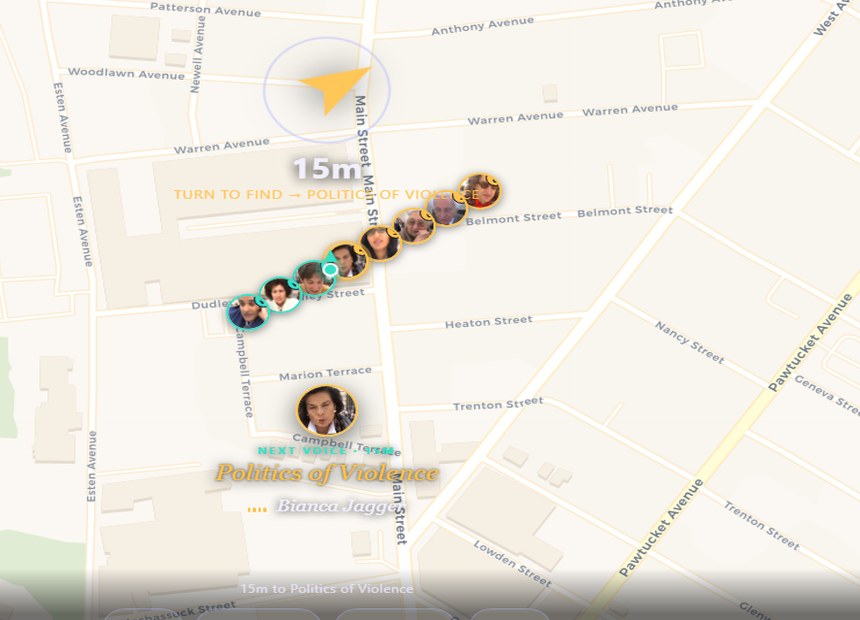
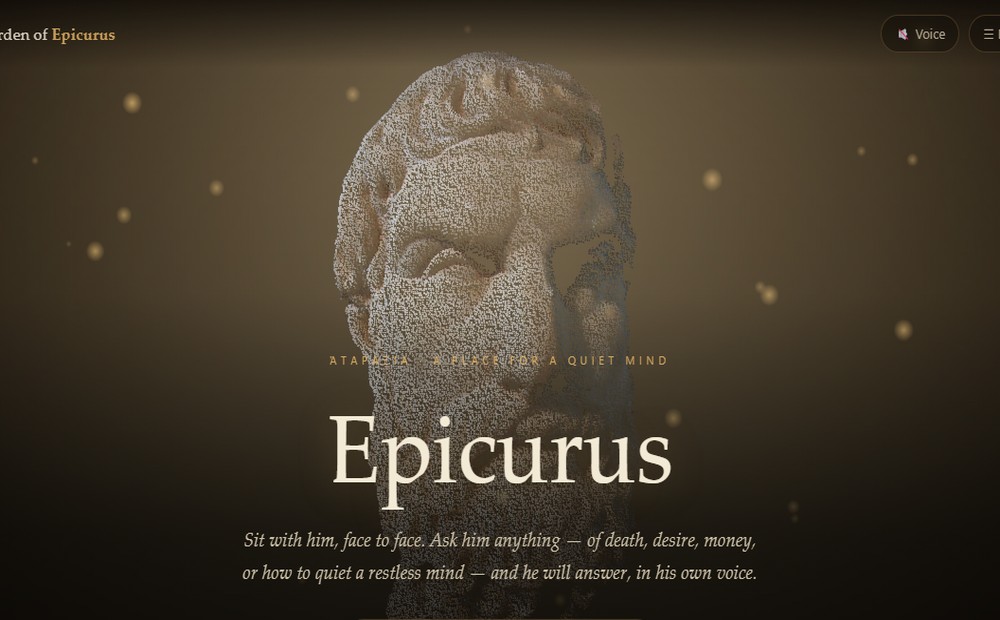
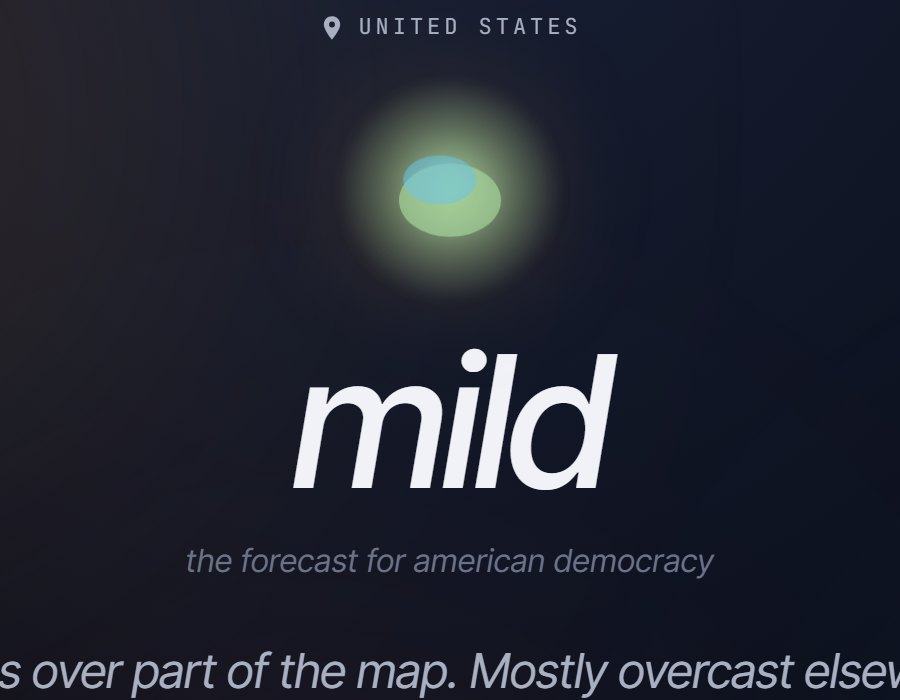
A room you can stand in, a street you can walk, and someone you can argue with. All three open in a browser, right now, with no sign-up. If they don’t move you, none of the rest matters.
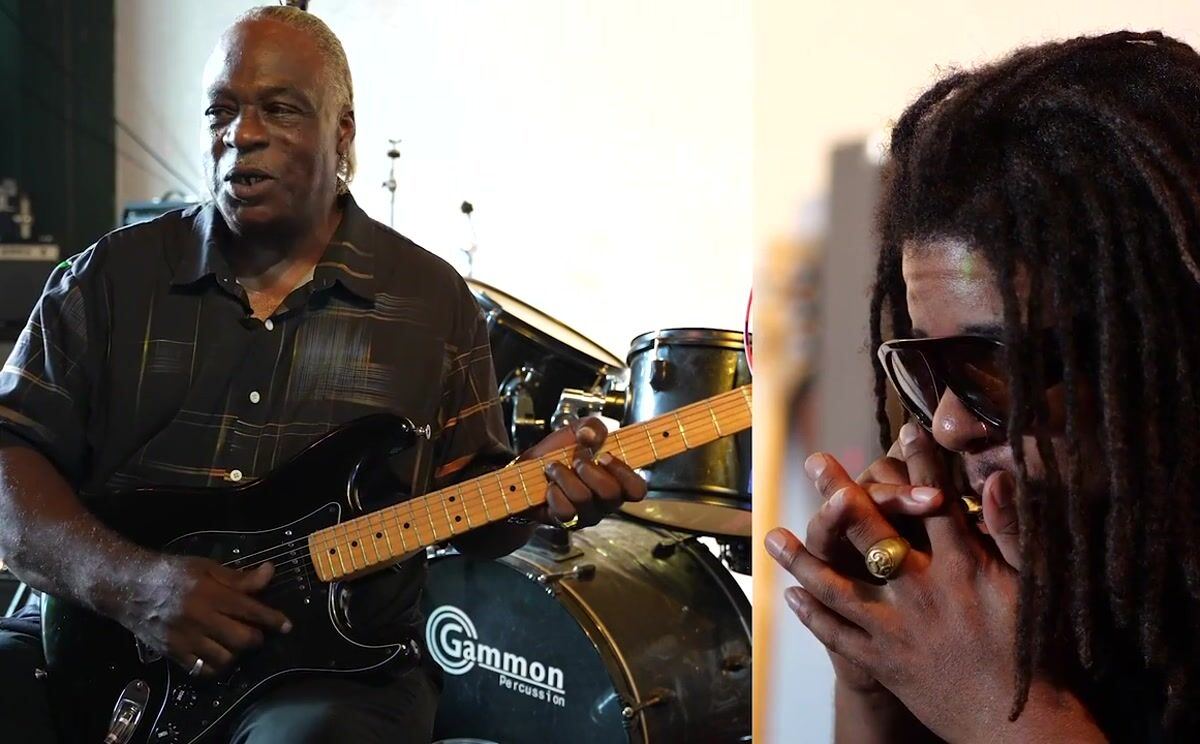
One table.
One seat still empty.
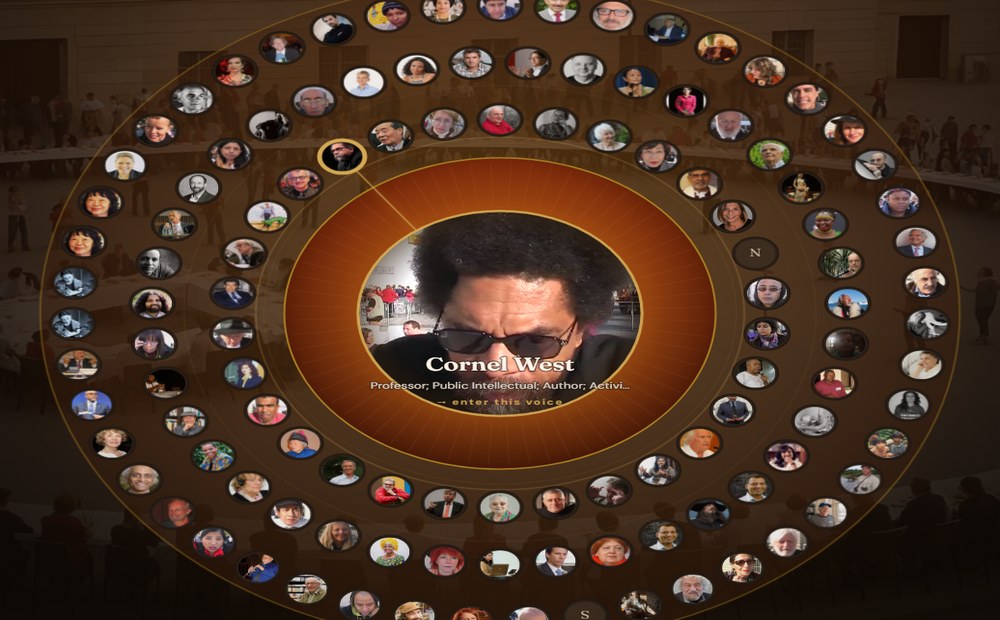
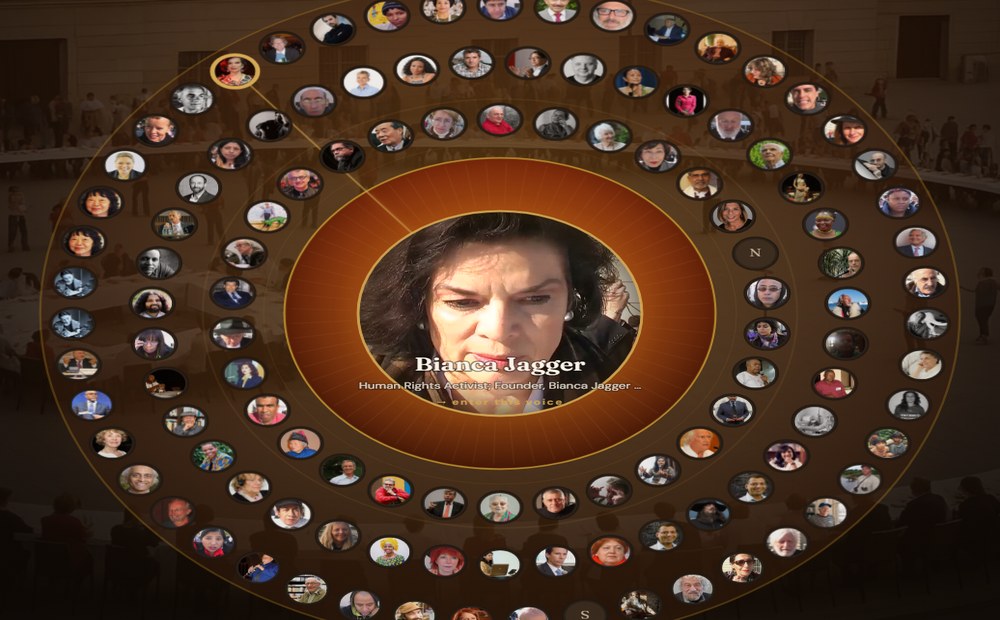
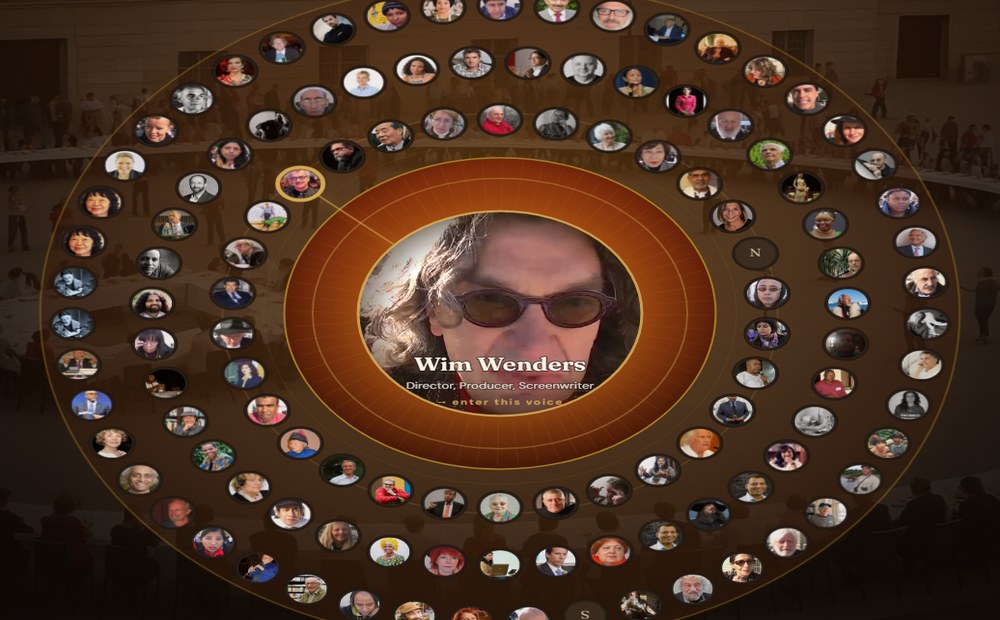
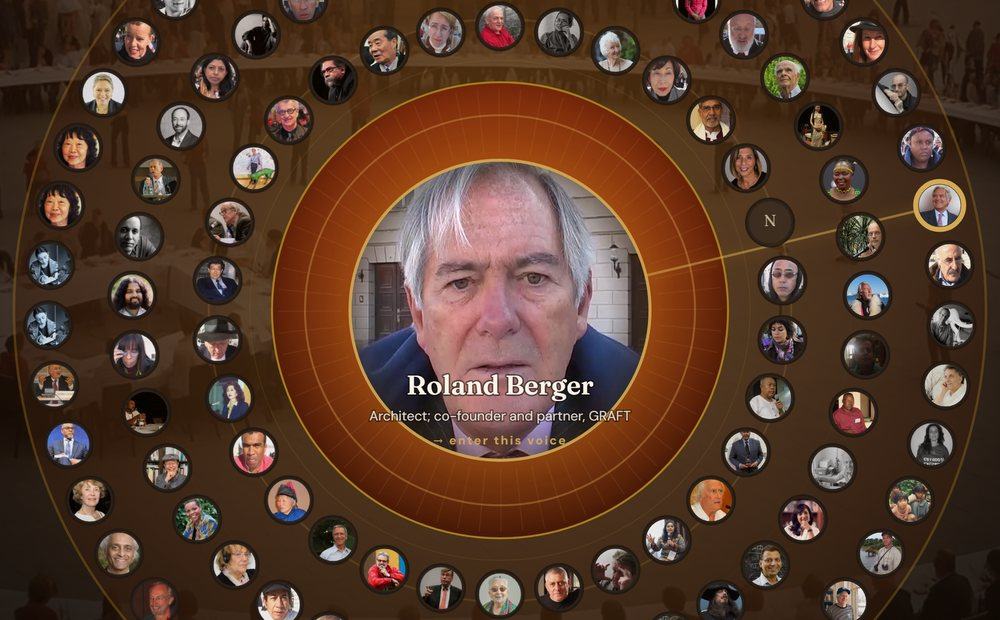
116 people sat down for two days and answered the questions nobody had solved — on power, money, war, faith, whether a child can bloom. Every answer was filmed. Then the tape sat for twenty years.
On 9 September 2026, twenty years to the day, the table is set again. The empty chair was left on purpose.
These four we
don’t hand over cold.
Handing someone a blank screen and walking away is how good projects die. We open them with you, around what you’re actually trying to do. Twenty minutes tells us both whether there’s something here.
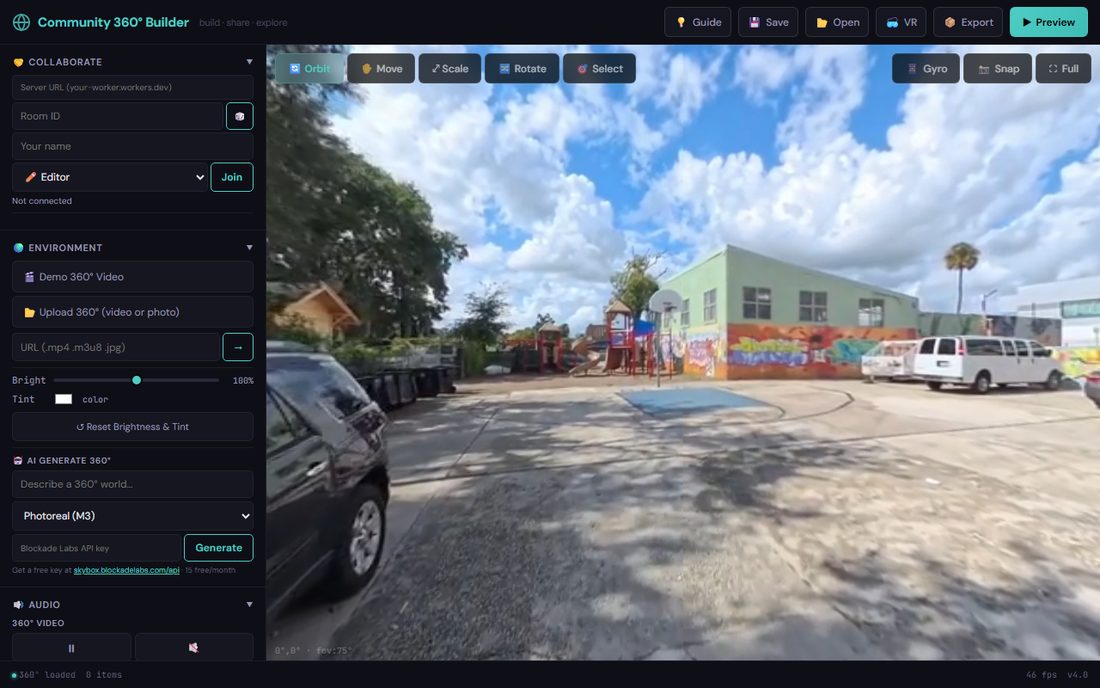
Community 360° Builder
Start from a world we already built, drop your people’s voices into it, share the link. Runs on a phone. The hard part isn’t the software — it’s who you gather and what you ask them.
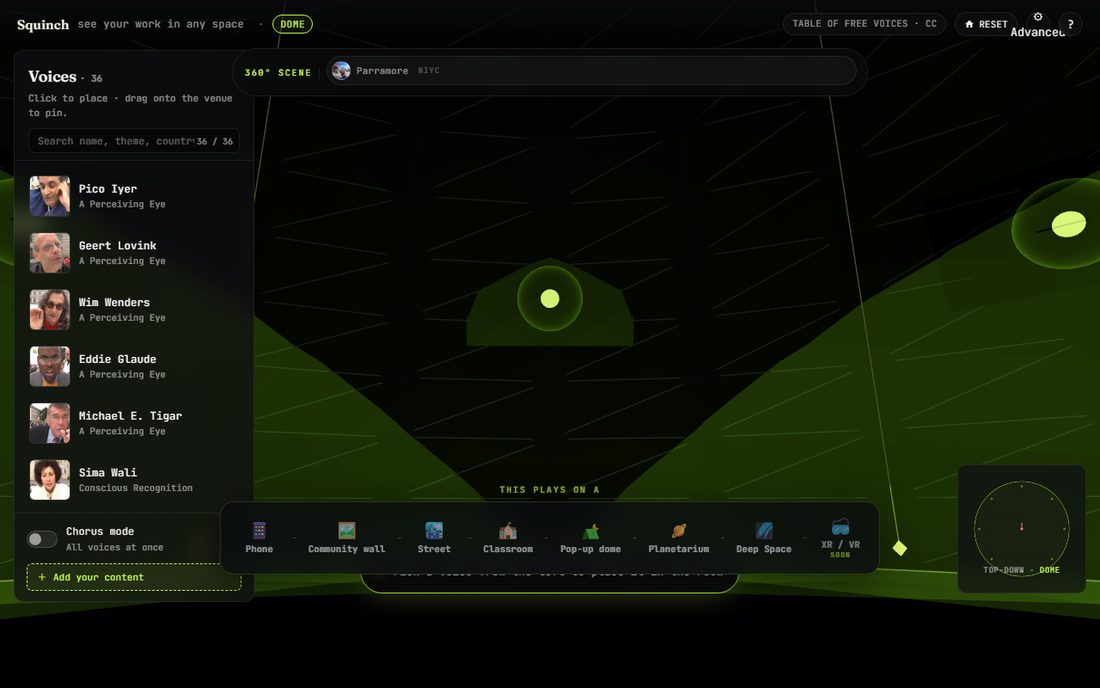
Squinch
Move one piece along every surface — phone, wall, classroom, pop-up dome, planetarium, a wall-and-floor room — before you book anything. Tell us your room and we’ll show you yours.
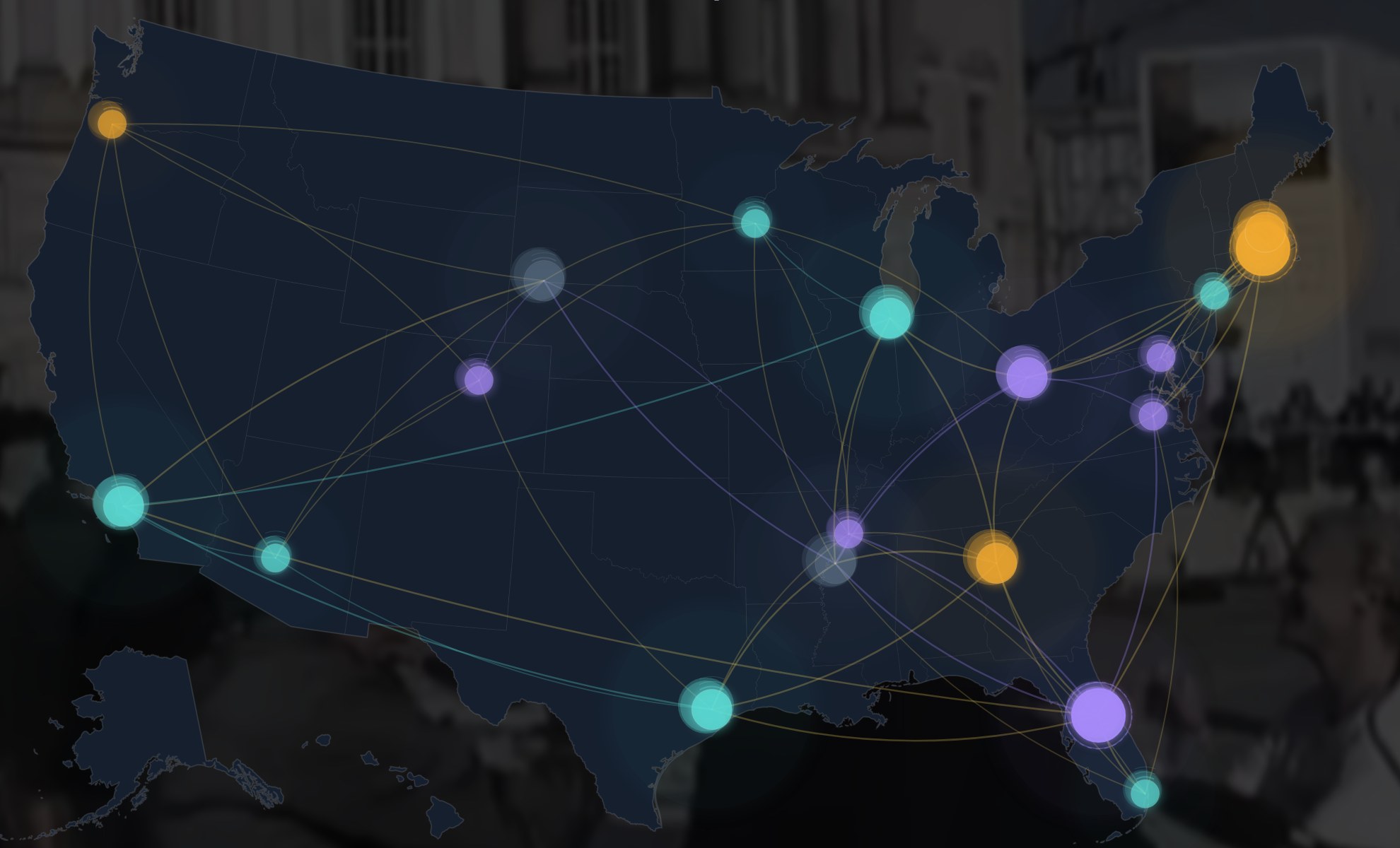
Asili
Reads a community’s own words back through lenses that community chose. It’s a lens, not a verdict — which is exactly why we won’t leave it running unattended.
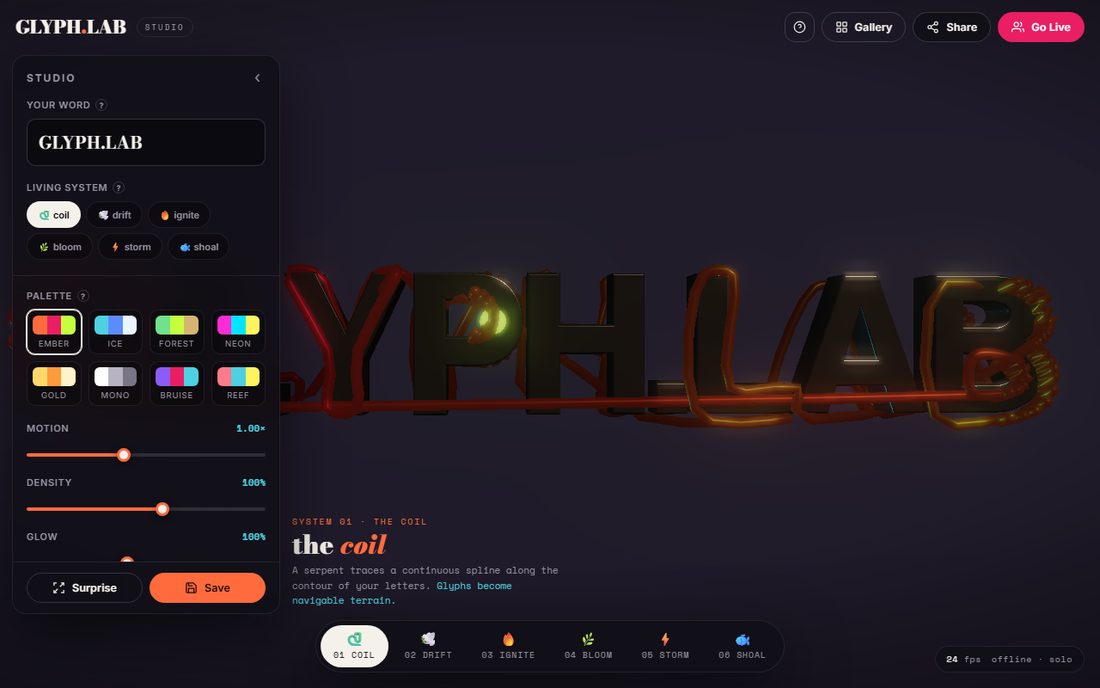
GLYPH.LAB Studio
A word becomes living type, and a whole room edits the same piece at once. Twenty minutes of this opens up a class that wouldn’t talk. That’s the part we bring.
Twenty minutes, screen shared, your actual situation.
Tell us the room, the group, or the question you’re sitting with. We’ll open whichever of these fits and you’ll know quickly if it’s real. No deck.
Where we stand · the work and why
Not into the light. To the surface.
Knowledge from our communities has been undervalued by default — by museums, by curricula, by the rooms where culture is decided. Whose voice counts as voice. Whose story gets to be canon. We don’t want better metaphors for that. We want the rooms.
A planetarium showing the night sky from a Mississippi porch. A museum room holding a market in Puebla. A Berlin table opened back up for the next twenty years. Same tools, same dignity — not as exception, but as the work.
The lineage runs from Ralph Ellison’s basement to the curriculum committees and back. Visibility on our own terms. Light we made for ourselves. Both rooms are ours; neither is the only one.
We build forward. Gaussian-splat 360° capture. Object-based audio that knows the room it’s playing in. Immersive pieces designed for documentary, civic media, and education in the same breath. The pedagogy comes first; the tooling serves it.
The spatial web is being built right now — mostly without us.
Apple, Meta and Google are scanning every street to build their version of spatial reality. Our neighborhoods become the backdrop. Voices already extracted from us once flow out of our hands a second time.
So we built what we needed. The worlds, the archive and the walk are open to anyone right now. The rest we open with people, because a tool handed over cold is a project that dies in month two. If you’re building for the same reason, come talk to us. The work is more interesting together.
Digital sovereignty, for us, is plain. Whose hand holds the microphone. Whose consent is on file when it ships. Whose neighborhood owns the archive after — not just sits inside it. If you’re building your own tools for the same reason — we want to know you. The work is more interesting together.